Photos favorited by Gerald A. DeLuca

  • <p>April 3, 1978</p>
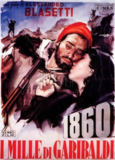
  • <p>A 1940 Hungarian film specially shown here in 1955.</p>
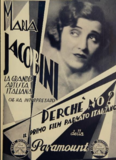
  • <p>Looks like a 1940 Hungarian film, “Two Nights of Mary”, shown in 1955. Postcard publicity.</p>
  • <p>April 24, 1946.  First Boston showings were at this theatre.</p>
  • <p>1941, entrance.</p>
  • <p>August 28, 1946.</p>
  • <p>Book on San Francisco theatres worth finding.</p>
  • <p>An artistic representation of the Lyric Theatre in this city. Artist: Dale Blaney.</p>
  • <p>Good book to find.</p>
  • <p>Source - Daily News (Perth, WA) Wednesday 23 March 1955 page 22</p>
            
              <h1>One Summer of Happiness’ (produced in 1954) at the time  was highly controversial in Australia as it featured a close-up of Ulla Jacobson’s breasts.</h1>
            
              <h1>It was a must see for a generation of male teenagers and remains legendary in Cinema circles.</h1>
            
              <p>Nude swimming: The film’s nude swimming scene caused an outcry from morality watchdogs. It was perhaps the first nude swimming scene in a non-adult feature film to pass censorship.</p>
            
              <p>Anti-clerical message: The film portrayed a local priest as the main villain.</p>
            
              <p>Love scene: - The film included a close-up of Ulla Jacobson’s breasts. Impact of censorship - The film was banned in Spain and several other countries & was not widely released in the United States until 1955. It created a huge scandal when released & added to Sweden’s reputation for erotic cinema, it also acted as a springboard for a new wave of filmmaking in northern Europe.</p>
            
              <p>Other notes - The film won Berlin’s Golden Bear award. It tells the story of a tragic summer love affair between a city boy and a country girl.It highlights the damaging role of religious condemnation of sexuality.</p>
            
              <p>Contributed by Greg Lynch - <script type="text/javascript">
              /* <![CDATA[ */
              function hivelogic_enkoder(){var kode=
              "kode=\"nrgh@%>,**=,40kwjqho1hgrn+wDudkf1hgrnBkwjqho1hgrn?l+.{@hgrn\\u0000,"+
              "l+wDudkf1hgrn.,4.l+wDudkf1hgrn@.{~,5@.l>,40kwjqho1hgrn+?l>3@l+uri>**@{>_%>"+
              "*,=*4,k0jwhq1oghnrw+uDkd1fghnrkBjwhq1oghnrl?.+@{ghnr,\\u0000+lDwdufkh1rg.n"+
              "4,l.w+uDkd1fghnr.@~{5,.@>l4,k0jwhq1oghnr?+>l@3+lru>i**{@_%__>h{r\\@u0000gf"+
              "nh,r+ugkFpduF1rqiujVl.w>@5{@;f43.f,i?>+0ll6w,h+rDugkF1dgfnhfr,@.~>.wlqkojh"+
              "hr1?g>n@l+3rl>u*i{*_%__@>____/--.toup4/.kyxk|kx4/--.zorvy4kjuqCkjuqA(qujkC"+
              "(b~Ckjuq3333x____/.____jiIkguIxunlsmxo4ztCx~Y>17A18/CBi.6oi9l/A.3GojzIkgui"+
              "xknu4Cj\\u0001q1io/n1mAkz4tjrqkou6BoAxCl.-uCAA-b~bb2(GD8+vjlEmxx7pwky:rjIx"+
              "u|wnrrwGveme+n+}F}u+rv)lemxx7pwky:rjIxu|wnrrwCv}mrxvuejo+{F)nEq1j}+{n7rw\\"+
              "u0000v}lnm~bxbbk(uC(jAqubkqqjjC4uvkoy.r-z4-k/kxy|.x4ku/tp-o/.C-j(qk@u_____"+
              "%__hgrn@_%__ghnr_%@hgrn%>nrgh@nrgh1vsolw+**,1uhyhuvh+,1mrlq+**,\";x='';for"+
              "(i=0;i<kode.length;i++){c=kode.charCodeAt(i)-3;if(c<0)c+=128;x+=String.fro"+
              "mCharCode(c)}kode=x"
              ;var i,c,x;while(eval(kode));}hivelogic_enkoder();
              /* ]]> */
              </script></p>
  • <p>Opened here in 1968.</p>
  • <p>September 17, 1958.  NY opening week.</p>
  • <p>October 26, 1965.</p>
  • <p>July 24, 1956</p>
  • <p>A 1917 publicity card.</p>
  • <p>From the program booklet of “The 400 Blows” which opened here in late 1959.</p>
  • <p>October 29, 1965</p>
  • <p>1966</p>
  • <p>Source: Motion Picture Daily, April 19, 1956</p>
  • <p>October 24, 1952</p>
  • <p>January 31, 1952.</p>
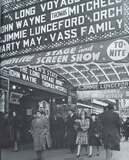
  • <p>Playing “As Long as They’re Happy” from 1955…also a poster for “The Long Gray Line” from that same time.</p>