
Melba Theatre
High Street and Elgin Boulevard,
Wodonga,
VIC
3690
High Street and Elgin Boulevard,
Wodonga,
VIC
3690
 No one has favorited this theater yet


The city of Albury is located on the southern border of New South Wales, while Wodonga is on the northern border of Victoria. The two cities are separated by the Murray River - Wodonga was founded as a border town in 1852.
After holding meetings for 14 years in rented premises the Wodonga Shire Council in 1890 built the first Shire Hall at the corner of High Street and Elgin Street (now renamed Elgin Boulevard), Wodonga. Adjoining the hall was a large committee room separated from the council chambers by folding doors, while a kitchen was equipped with modern fittings and a presidents room took pride of place alongside it.
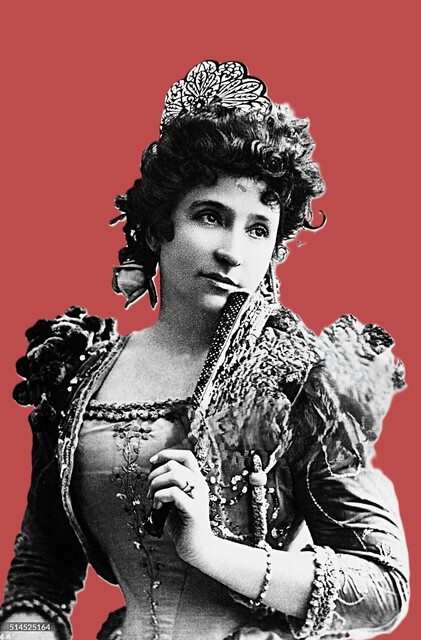
The venue began an association with cinema in 1908. The Wodonga Shire Hall would be refurbished and significantly extended that year, primarily to better serve as a civic and social hub for the growing district. 1909 and the hall began to be known as the Melba Hall. Legend tells us that the building was named after the celebrated soprano Nellie Melba, because Melba had ‘got her way’ in Wodonga after failing to have a similar tribute in nearby Albury assigned to her during her “Back Blocks” tour. This regional tour of Melba’s was designed to bring high caliber opera to remote and regional Australian towns. By 1910 traveling picture shows were screening in the hall regularly, however it was becoming obvious that the Shire Hall was inadequate in size and facilities.
On Friday December 1st 1926 at the request of the Mayor, architect Louis Harrison advised the council on how he planned to extend and renovate the Shire Hall. He began - The hall will be extended by 30ft which will accommodate an increase of 200-seats, making a total of 500-seats, also a new stage would be built measuring 40ft wide x 30ft deep. The proscenium and hall would be neatly decorated with fibrous plaster, while a modern entrance would be erected in Elgin Street. The Shire of Wodonga listed increased hiring charges for the Shire Hall, including ‘showing pictures’, with light and power at a price of £2/2/-
In 1933, Border Talkies requested the hall to be lined with material to improve acoustics for ‘talkies’ - Five years later it was being debated in council meetings, with an estimated cost to be £10.
Newspaper advertisements from 1943 provide the first recorded evidence of the building being called Melba Theatre which would then operate as a cinema and community hub for decades, with the proviso that if the hall was needed for other functions the screen and seating would have to be moved aside.
During the 1940’s John Scott (often referred to as Jack Scott) was recorded as the exhibitor of the Melba Theatre. Following his death his wife Murial Scott continued to manage the business until October 1st, 1946, where-upon she sold it as a going concern to Karl Bounader, a picture poineer from Holbrook, New South Wales, who was well qualified with 39 years in cinema behind him. An agreement was made to purchase the existing theatre equipment including the screen, seating and projectors and a nominal amount was struck of £500. The Scotts were a cinema family who were about to open a new theatre in Cobram, Victoria, which they would name Melba Theatre.
The Bounader family’s tenure with the Melba Theatre in Wodonga would last for two decades, while serving as a vital cultural hub for the local community and migrant residents. Karl was later joined by his brother Abe Bounader who would take over operations following his death in 1952. Abe and his family would continue to run the cinema into the late-1960’s, although locally Hoyts and the Regent theatres in Albury were considered more prestigious, never-the- less the Melba Theatre did very well by catering to the districts large immigrant population. Abe was the first to import foreign films, which endeared him to the residents of the Migrant Camp in Bonegilla, a move that made the theatre a favourite social spot for newly arrived European migrants, who in the intimacy of cinema could be transported back to their memories of earth and home.
Abe Bounader recalled in an interview the popularity of “Forbidden Nights”, a special midweek screening he had created dedicated to adult-oriented foreign films that would frequently screen to capacity crowds, while every Saturday local children would flock to the matinees, often swapping Phantom and Archie comics in the theatre before the lights dimmed. There seems to be no evidence that widescreen was ever installed.
The rise of television and drive-in theatres eventually led to the cinema’s decline. The Melba Theatre held its final screening in 1968. The last known events at the Melba Theatre was a school speech night in 1969 and a Normie Rowe concert sometime in 1970, before he was famously conscripted into the Army. The theatre building was demolished in 1971 to make way for a Woolworths (later a Safeway supermarket).
Footnote:- December 25, 1975 - An investigation was underway after a fiery blaze ripped through several businesses on the corner of High Street and Elgin Street in the heart of Wodonga. Store owners have been left shattered.
In Wodonga, Bounader Park was officially named to honour the memory of Abe Bounader, the long-time proprietor of the Melba Theatre. The park serves as a tribute to his decades of service to the community’s cultural life in Wodonga. Abe Bounader, a well loved Picture Show man passed away in 1989.
Contributed by
Greg Lynch
 Want to be emailed when a new comment is posted about this theater?
Just login to your account and subscribe to this theater.